
Donate

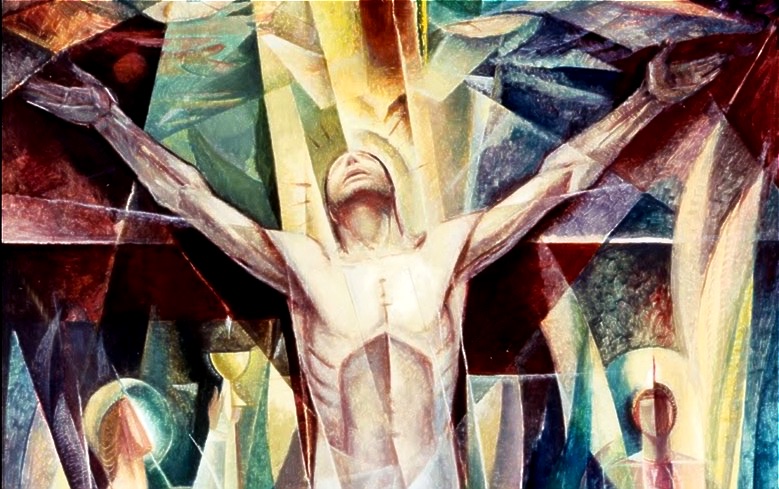
The God Who Speaks project have released a new Lent resource called Reconciled through the Cross.
Forgiveness is a recurring theme in the Bible, which develops from being an act of duty to an act of generosity. This reaches its climax in the New Testament when Jesus commands his followers to forgive each other countless times and embeds this in the prayer that will identify his disciples – the Lord’s Prayer. Nevertheless, forgiveness can be one of the hardest things to give and to receive.
Do we truly believe that God has forgiven us? How often do we fail to forgive ourselves? The Greek word ‘metanoia’ means: repentance, a fundamental change in character and way of life or spiritual conversion. This compound word combines two ideas - time and change – which may be described as ‘after’ and ‘different’ so that the whole meaning is “to think differently after”. A change of mindset accompanied by regret can enable a change of behaviour.
In Hebrew the idea of repentance has a different nuance. It is represented by two verbs meaning ‘to return’ and ‘to feel sorrow’. This combination of proactive turning back to God and the emotional catalyst of pain over sin together facilitate the change that can emerge. We are not asked to pretend that our wounds never existed but to acknowledge that they do not need to wound us forever. Similarly, we are called to reflect on the wounds we have inflicted on others and to consider any actions we may need to take towards reconciliation.
Within our societies and church communities there is a deep need and longing for healing and forgiveness. We can see shadows of darkness where pain, anger, intolerance and despair flourish. These shadows speak of cries for forgiveness and reconciliation - for healing within ourselves, our families, neighbourhoods, churches and communities. Forgiveness can begin to heal those wounds and bring reconciliation.
To read "Reconciled through the Cross", please click on the button below.


